
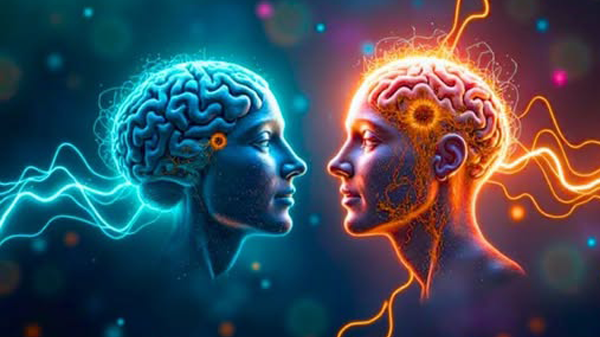
New Study Reveals Self-Talk Can Heal Faster Than Medicine
A growing body of scientific research suggests that the way we speak to ourselves may have profound effects on our physical health. A recent study highlights that self-talk—those internal conversations we often dismiss as trivial—can influence the body faster than conventional medicine. Scientists argue that language is not merely a tool for communication but a mechanism that shapes biological responses.¹
Positive self-talk has been linked to reduced stress hormones, improved immune function, and even accelerated recovery from illness.² By contrast, negative inner dialogue can exacerbate anxiety, weaken resilience, and contribute to chronic conditions. The findings indicate that the mind’s narrative is not abstract but directly connected to measurable changes in the body.
The implications are striking. If words can alter physiological processes, then cultivating constructive self-talk could become a cornerstone of preventive healthcare. This does not mean replacing medicine, but rather complementing it with a practice that costs nothing and requires no prescription.³ It is a reminder that health is not only about what we consume but also about what we say to ourselves.
The study challenges traditional boundaries between psychology and medicine, urging policymakers and practitioners to consider mental habits as part of holistic treatment. Integrating self-talk into healthcare strategies could reduce reliance on medication and empower individuals to take greater control of their wellbeing.⁴
In an age where healthcare systems are under immense pressure, the idea that individuals hold a powerful tool within their own minds is both empowering and disruptive. The findings invite us to rethink wellness: perhaps the most accessible medicine is the voice we use when speaking to ourselves.⁵
NOTES
1 Ethan Kross, Chatter: The Voice in Our Head, Why It Matters, and How to Harness It (New York: Crown, 2021).
2 Andrew Steptoe and Michael Marmot, “The Role of Psychological Factors in Cardiovascular Disease,” Journal of Psychosomatic Research 52, no. 1 (2002): 1–6.
3 Barbara Fredrickson, “The Role of Positive Emotions in Positive Psychology,” American Psychologist 56, no. 3 (2001): 218–226.
4 Kelly McGonigal, The Upside of Stress (New York: Avery, 2015).
5 David R. Hamilton, How Your Mind Can Heal Your Body (London: Hay House, 2018).







Leave a Reply
Want to join the discussion?Feel free to contribute!